Buying a car? Let AI help you choose the right one — and find the best way to finance it
Buying a car is one of the bigger decisions most of us make, and it comes with two separate challenges rolled into one. First, there is the question of which car actually suits you — not just the one the salesperson is keen to shift, but the one that fits how you genuinely live and drive. Then there is the question of how to pay for it, which can feel every bit as baffling as choosing the car itself.
AI handles both of these remarkably well. The key, as with any buying decision, is to describe your situation rather than just ask for a product. When you do that, what you get back is far more useful than anything a showroom conversation typically produces — and there is no pressure, no commission and no one trying to add an extended warranty at the last minute.
Part one: finding the right car
Most people approach car buying by browsing listings or going straight to a dealership with a vague idea of what they want. AI gives you a better starting point: a clear picture of what actually suits your needs before you set foot anywhere.
The single best thing you can do is invite AI to ask you questions rather than firing off a search. Try this as your opening message:
"I am thinking about buying a car. Before you make any recommendations, can you ask me some questions about how I use my car and what matters most to me — things like budget, mileage, passengers, fuel type and so on?"
AI will work through the things that actually shape the right choice. It might ask:
"What is your total budget, including what you expect to spend on tax, insurance and running costs each year?"
"How many miles do you typically cover in a year — mostly short town journeys, longer runs or a mixture of both?"
"How many seats do you need regularly? Is it usually just you, or do you regularly carry passengers?"
"Do you have a strong preference between automatic and manual gearbox?"
"How important is boot space — do you regularly carry luggage, sports equipment, a dog, shopping?"
"Do you have any feelings about fuel type — petrol, diesel, hybrid or fully electric?"
"Is reliability your top priority, or are you happy to take a small risk for a better-specified car at the same price?"
Each answer helps AI build a clearer picture of what will genuinely suit you. Once it has what it needs, it will come back with a shortlist — typically three or four options — each with an explanation of why it suits your situation, not just a list of features.
Ask AI to explain the differences
A shortlist is only useful if you understand what separates the options. Once AI has made its recommendations, push further:
"Can you compare these three cars for reliability, typical annual running costs and what insurance group they tend to fall into?"
"What are the real-world differences between the petrol and hybrid versions of the same model?"
"Which of these would be cheapest to own over three years once you factor in fuel, servicing and depreciation?"
"Are there any known reliability issues with any of these models I should be aware of before I decide?"
The answers are not always what you expect. A car that looks cheaper to buy can cost considerably more over time. A model that looks appealing may have a known fault worth knowing about before you commit. AI will walk you through the comparison in plain language — and if anything is unclear, just ask it to explain further in simpler terms.
Part two: financing the car — a separate conversation
Once you have a feel for which car you want, treat financing as a completely separate question. The way you pay for a car can make a significant difference to what it actually costs you over time, and the options are not always explained clearly — or honestly — in a showroom.
Start by asking AI to lay out the options in plain English:
"I am thinking about financing a car. Can you explain the different ways of doing this — things like PCP, hire purchase and personal loans — and help me understand the key differences in simple terms?"
AI will explain each option clearly. For example, it will tell you that with PCP (Personal Contract Purchase) you are essentially renting the car and then deciding at the end whether to hand it back, buy it outright or trade it in — and that the monthly payments look attractive because you are not paying for the full value of the car. It will explain what hire purchase actually means in terms of ownership, and how a personal loan compares in terms of flexibility and total cost.
From there you can ask much more specific questions:
"Based on a car costing around £15,000, can you give me a rough comparison of what each of these options would cost me in total over three years?"
"What are the risks with PCP that I should be aware of before I sign anything? Are there any catches people tend to miss?"
"If I plan to keep the car for five years or more, which financing route makes the most sense financially?"
"Is there any advantage to getting finance through the dealership rather than arranging a personal loan independently beforehand?"
If you are not familiar with any of this terminology, that is perfectly fine. You can simply describe your situation and let AI take it from there:
"I am not very familiar with car finance. I want to spend around £12,000 on a car and I would prefer to pay monthly rather than all at once. Can you walk me through the options in the simplest possible terms and tell me what the real total cost of each would be?"
AI has no interest in selling you one option over another. It will give you the full picture, including the things a finance desk might prefer you did not ask about.
Going into a showroom knowing what you know
The difference between walking into a dealership having done this and walking in cold is considerable. You will know which models genuinely suit your situation, what a fair price looks like, what questions to ask about the finance deal and what the total cost of ownership is likely to be over the years you plan to keep the car.
You might still end up choosing the shiny blue one. There is absolutely nothing wrong with that. Buying something you love is a perfectly good reason to buy it. The point is that you will be making that choice with a clear head rather than being guided towards it by someone whose job it is to sell cars.

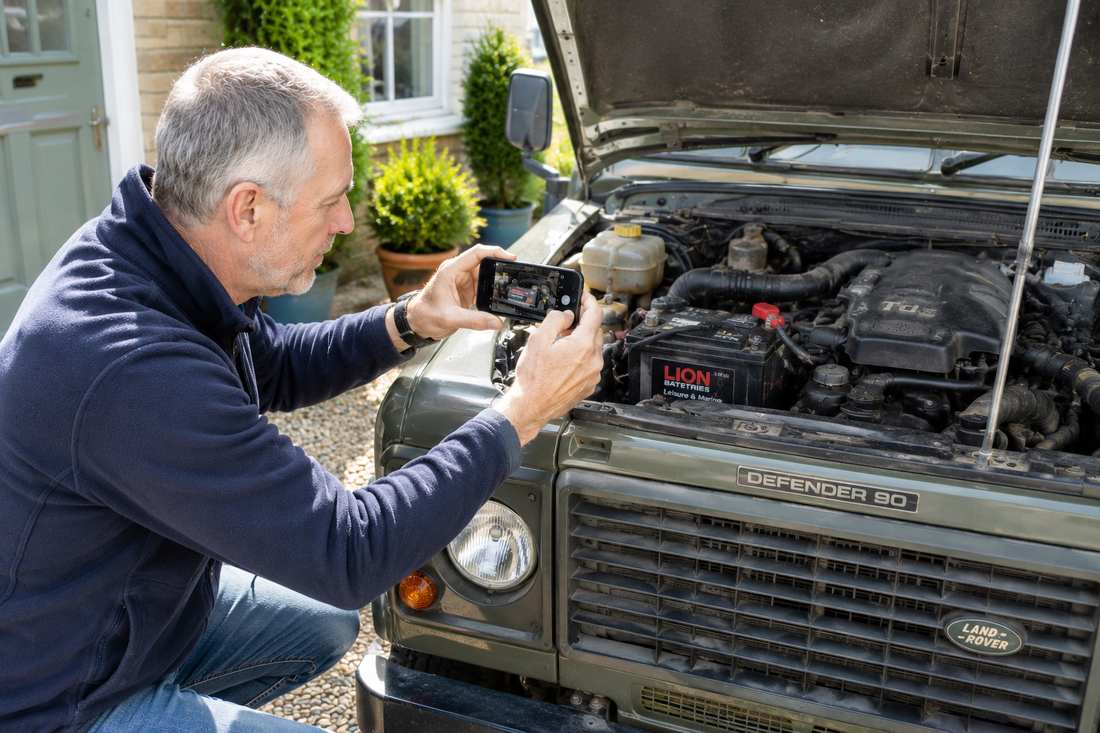

Want to work through this with a little help?
This kind of practical, step-by-step use of AI — working through a real decision with your own situation in mind — is exactly what Kevin covers in one-to-one sessions. Whether it is a car, a significant purchase or a financial decision you have been putting off, get in touch and Kevin will help you work through it on your own device at your own pace.
Kevin also runs free library presentations across Norfolk — a relaxed evening where you can see AI in action and ask about anything you have read in the blog, including this.
Ask about one-to-one sessions See upcoming events