What’s it worth? Use AI to identify, value and sell almost anything in your home
Most of us have things in our homes whose value we have yet to discover. A vase that has sat on a shelf for decades. A collection of records inherited from a parent. A piece of furniture that has always just been there. Books, pictures, ornaments, china, all accumulated over a lifetime and quietly gathering dust.
There are three situations where this tends to become important. The first is clearing a home after a relative or friend has passed away, which can be an emotional time. The second is downsizing: moving to a smaller space and deciding what comes with you. The third is simply deciding to benefit from things you own but no longer need or use.
In all three cases, AI can be remarkably helpful. A photograph, a clear question and a few minutes is often all it takes to find out what something is, what it might be worth and how best to sell it.
How it works
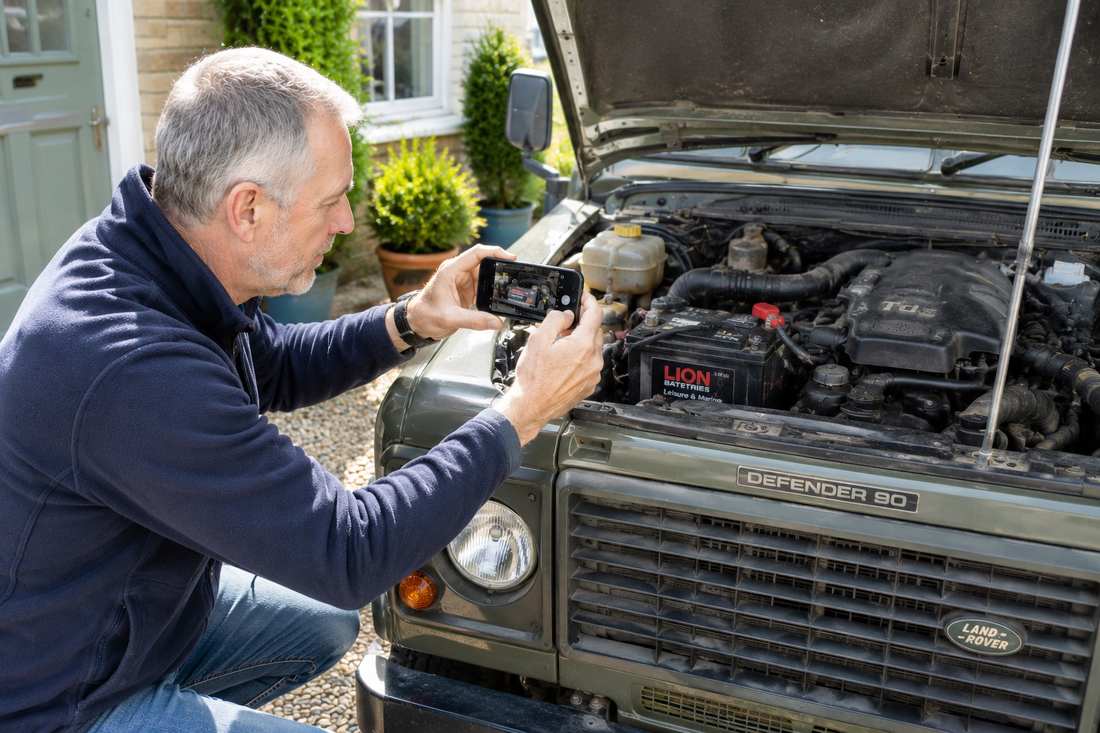
The basic approach is straightforward. Take a clear photograph of the item: front, back and any markings, signatures, labels or stamps on the base or reverse. Then open ChatGPT, upload the photo and ask it to identify and value what it can see.
A good opening prompt is: “I have taken a photo of this item. Can you tell me what it is, roughly when it was made, who might have made it and what it could be worth today?”
If there are any marks, hallmarks, signatures or labels visible, take a separate close-up photo and ask: “There are some markings on the base. I have taken a close-up. Can you identify these and tell me whether they affect the value?”
AI gives you a realistic range rather than a precise figure, because valuations depend on condition, provenance and what the market is doing at any given time. It will also tell you what category the item falls into and flag whether it is likely to be of specialist interest or general appeal. That is usually enough to tell you whether something is worth pursuing further.
Furniture
Furniture is one of the areas where AI identification is particularly useful, because styles and periods take specialist knowledge to place. A good photograph of an old piece (the overall shape, the joints, the hardware, the wood grain) gives AI a great deal to work with.
Try: “I have photographed this piece of furniture. Can you tell me the likely period and style and give me a realistic estimate of what it might sell for today?”
AI might identify something as a genuine Victorian mahogany sideboard worth having properly valued before selling. It might instead tell you honestly that despite looking impressive, the piece is a pleasant 1970s reproduction with more charm than cash value. Either answer is useful, because it tells you where to direct your energy.
For furniture, condition matters enormously and so does size. Large pieces are often better suited to a local sale, because many modern homes have less space for them. AI will factor this into its advice about where and how to sell.
China, vases and ornaments
The base of any piece of china or pottery is where the important information usually lives. Manufacturer’s marks, pattern names, date codes and country of origin can all appear there and AI is very good at reading and interpreting them.
Try: “I have photographed a vase and also taken a close-up of the markings on the base. Can you identify the manufacturer, the pattern name and approximate date and tell me what a piece like this typically sells for?”
A piece might turn out to be a named Royal Doulton figurine from the 1950s with genuine collector value. It might be a pleasant piece of mid-century studio pottery worth a modest amount. It might be a decorative item from a high street retailer with little secondary market value. All three outcomes are useful to know. The first justifies further research, the second suggests a reasonable price on eBay or a local auction and the third tells you to donate it or price it low and move on.
Books
Old books can range from modest to surprisingly valuable and the difference is rarely obvious from looking at the cover. Edition, print run, condition and the presence of a dust jacket all matter significantly.
Try: “I have photographed this book, including the cover, the title page and the copyright page. Can you tell me whether this edition is likely to have any collector value and where I would best sell it?”
AI will tell you if this is a first edition of something sought after, a later reprint of a classic or a book club edition and what that means for its value. It will also point you towards the right market, whether that’s specialist book dealers, AbeBooks, eBay or simply a charity shop.
If you are clearing a house with many books, try: “I have a large number of books to sort through. Can you give me a list of the kinds of things that tend to have collector value (subjects, authors, editions) so I know what to photograph individually and what I can donate in bulk?”
Vinyl records and music
Original pressings of certain albums are worth considerably more than later reissues and condition is everything. AI can help you work out which records in a collection are worth investigating further and what to look for.
Try: “I have photographed this record, including the label, the sleeve and the matrix number scratched into the vinyl near the centre. Can you tell me if this is an original pressing and what it might be worth in the current collectors’ market?”
AI will explain what the label colour, catalogue number and matrix information tell you about when and where the record was pressed. It will give you a realistic picture of value. It will be honest that a common later pressing of a famous album is worth a pound or two, while an original UK pressing of the same record in excellent condition might be worth considerably more.
It will also advise on condition grades used by collectors (Mint, VG+, VG and so on) and explain that top prices go to records in excellent condition.
Pictures and artwork
Pictures are a fascinating area because the range of values is enormous and the difference between a significant work and a decorative print takes a trained eye. AI can help you narrow things down considerably.
Try: “I have photographed this picture, including the front, the signature if there is one, the back and any labels. Can you tell me anything about the artist or the work and give me a realistic view of whether it is likely to have significant value or is more likely to be a decorative piece?”
AI is good at identifying known signatures, recognising painting styles and periods and reading the labels and stamps that galleries and auction houses put on the backs of pictures. It will tell you if a signature matches a listed artist worth pursuing through a specialist valuer or if the work appears to be a well-executed decorative piece without a strong market.
One thing to remember: many paintings that look impressive are worth little and many that look modest are worth a great deal. If AI suggests a piece might be significant, have it properly valued by a specialist before selling. This is one area where professional advice can make a substantial difference.
Collections: stamps, coins, vintage toys and more
Collections are complex because individual items within them vary enormously in value. A collection of stamps or coins might contain a handful of significant pieces alongside many that are common and worth very little. AI can help you sort one from the other.
Where you see words in [square brackets], just swap them for your own details before you send it.
Try: “I have a collection of [stamps / coins / vintage toys / postcards]. Can you tell me what tends to have significant value within this category and what I should photograph individually for a proper look?”
Once you have identified the items worth examining more closely, photograph each one individually and ask for a specific assessment. AI can tell you whether a particular coin is a common date or a scarce one, whether a vintage toy is a sought-after model or an everyday one and whether a collection is better sold as a whole to a specialist dealer or broken up and sold individually for a better total return.
Once you know what you have: where to sell it
Different items suit different selling routes and AI will advise based on the item. Once you have a valuation, ask: “Based on what you have told me about this item, where would be the best place to sell it to get a fair price and how should I present it?”
As a general guide, AI will typically point you towards:
eBay for most collectables, records, books, china and smaller items with a national or international buyer base. Wide reach, competitive bidding and a well-established market for almost everything.
Facebook Marketplace for furniture, larger items and anything where local collection makes more sense than posting. No selling fees, direct contact with buyers and good for moving things quickly.
Specialist auction houses for anything potentially significant, such as antiques, artwork, jewellery, coins or anything AI has suggested might have real value. A specialist will handle the valuation, the listing and the sale and their buyer base is exactly right for the material.
Local antique or second-hand dealers for a quick and straightforward sale where you would rather take a lower price than manage the process yourself. Useful when time or energy is limited, as it often is during a house clearance.
Charity shops or donation when the item has no significant value but deserves a better outcome than the tip. AI will tell you honestly when this is the right call.
Let AI write the listing for you
Once you know what you have and where you are selling it, AI can write the listing too. This is particularly useful for items where the right terminology matters, because collectors search for specific terms.
Try: “Can you write an eBay listing for this item based on what you have told me about it? Please include all the details a buyer would want to know and use the kind of language that collectors in this market would search for.”
A well-written listing with accurate descriptions, correct terminology and clear photographs will almost always achieve a better price than a vague one. AI can help your listing attract the right buyers.
Worth knowing before you sell
Selling platforms such as eBay and Vinted now share sellers’ details with HMRC once someone passes 30 sales or around £1,700 in a calendar year. For most people clearing their own belongings this is simply paperwork, though if you are selling a lot it is worth a quick look at HMRC’s guidance on GOV.UK.
Markets can also change quickly, so for anything of real value it is always worth checking with an expert before money changes hands.
When selling online, keep payments and messages within the platform itself. If a buyer suggests paying another way or sends a link to “release” your money, the Spot the scam post shows how to check it with AI in seconds.
A note on dates. Everything here was checked when it was written and I go back over my posts regularly to keep them up to date. Apps, prices and rules do change, so for anything important a quick look at the official source is worth it.

Want to see more of this in action?
I also run free library presentations across Norfolk. Come along, see AI demonstrated and ask about anything covered in the blog. It is a relaxed, friendly session and a good place to start.
My book goes into this and much more. It is written in plain English, full of practical examples and designed for people who want useful results from AI in their everyday lives. Available on Amazon.
See upcoming events Find out about the book Try apps, songs & games made with AI